Hessian Industries
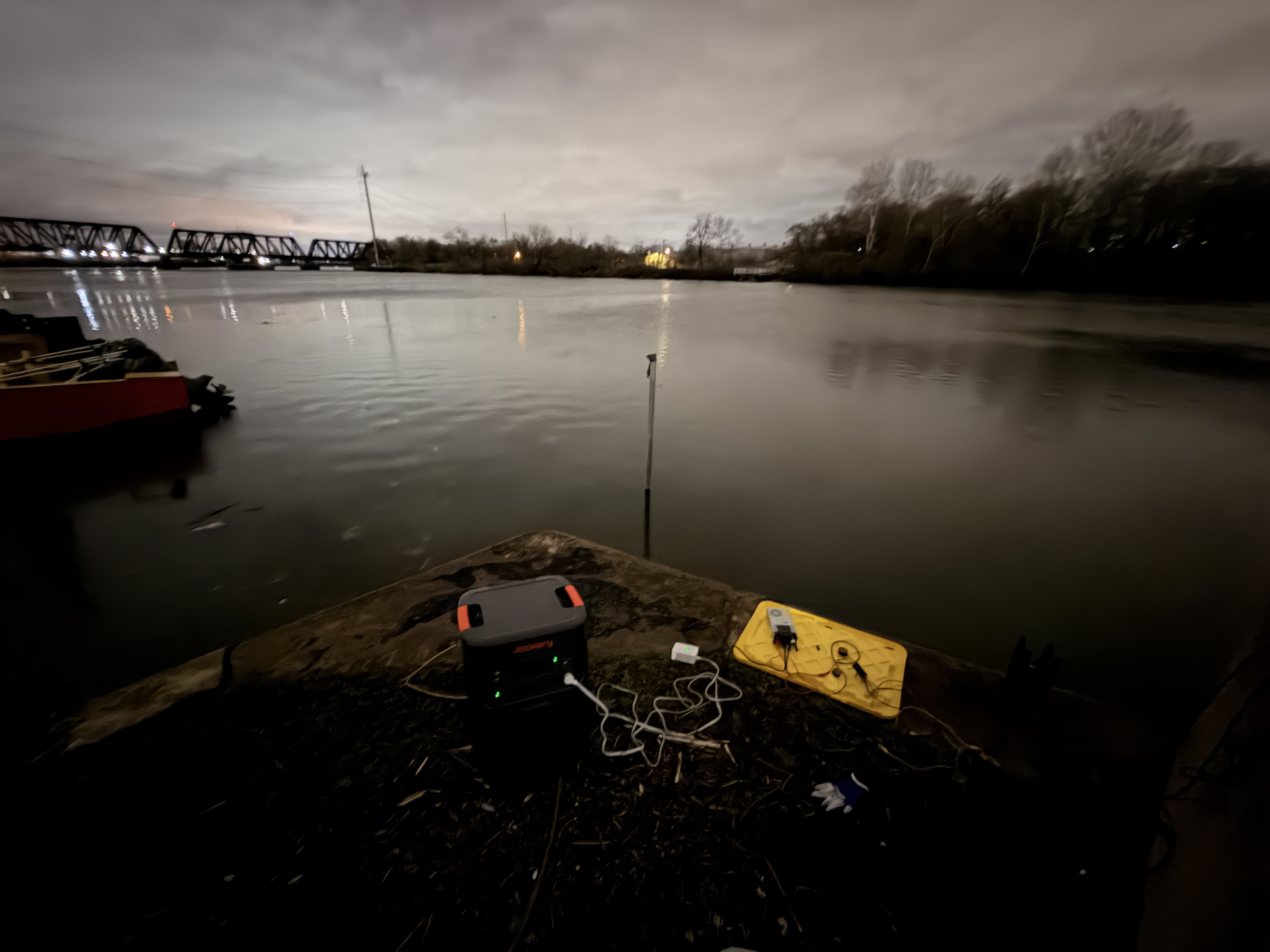
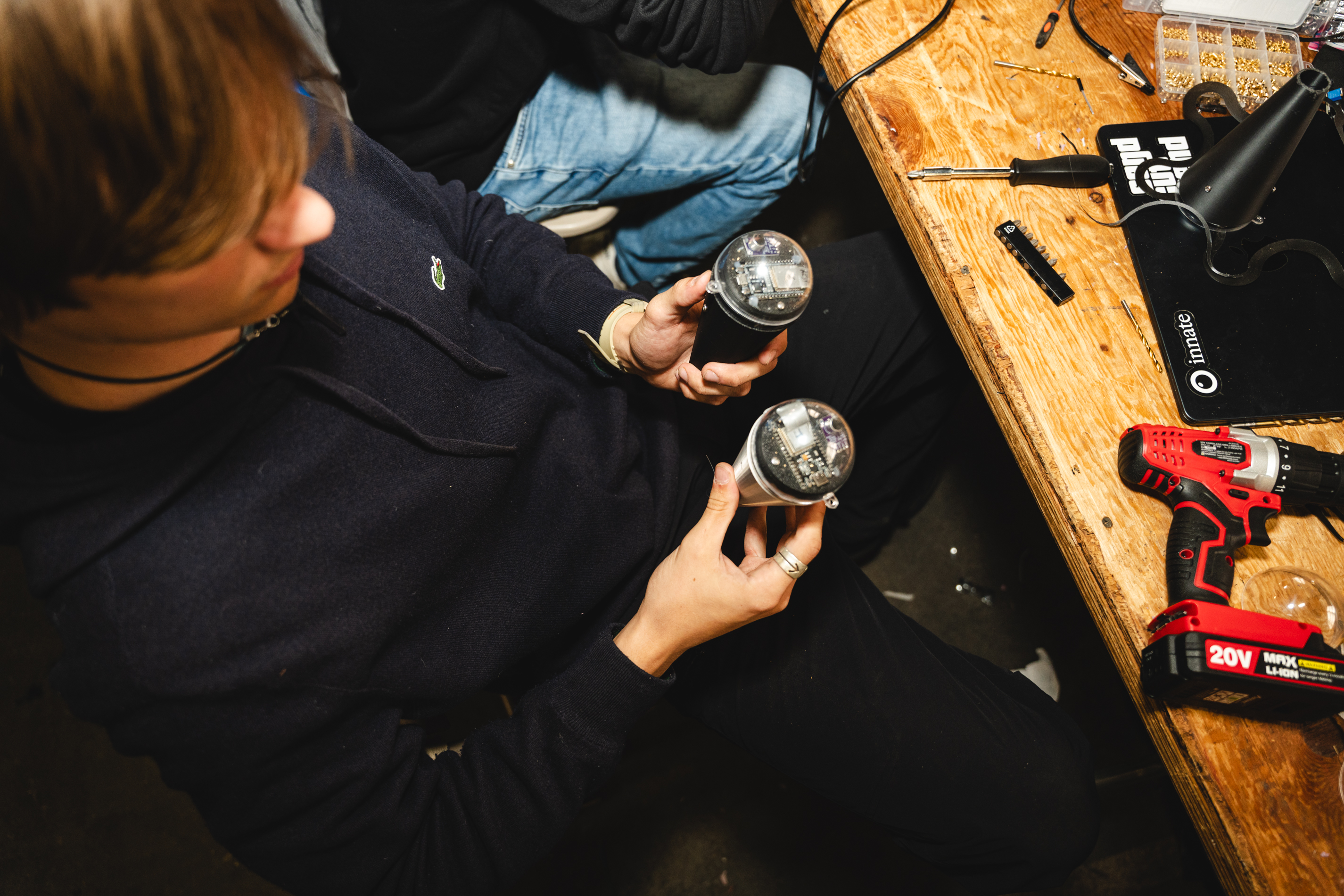
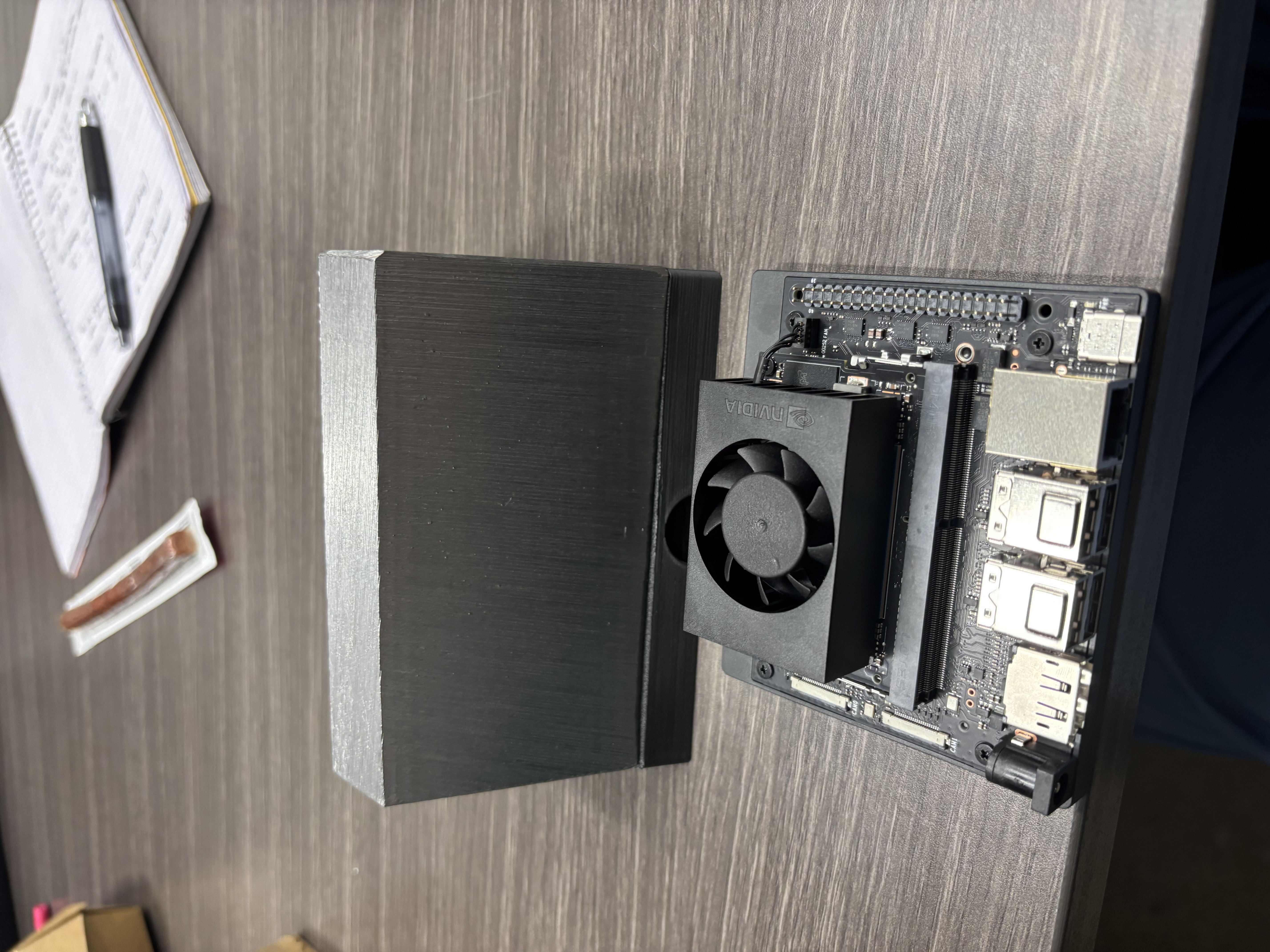
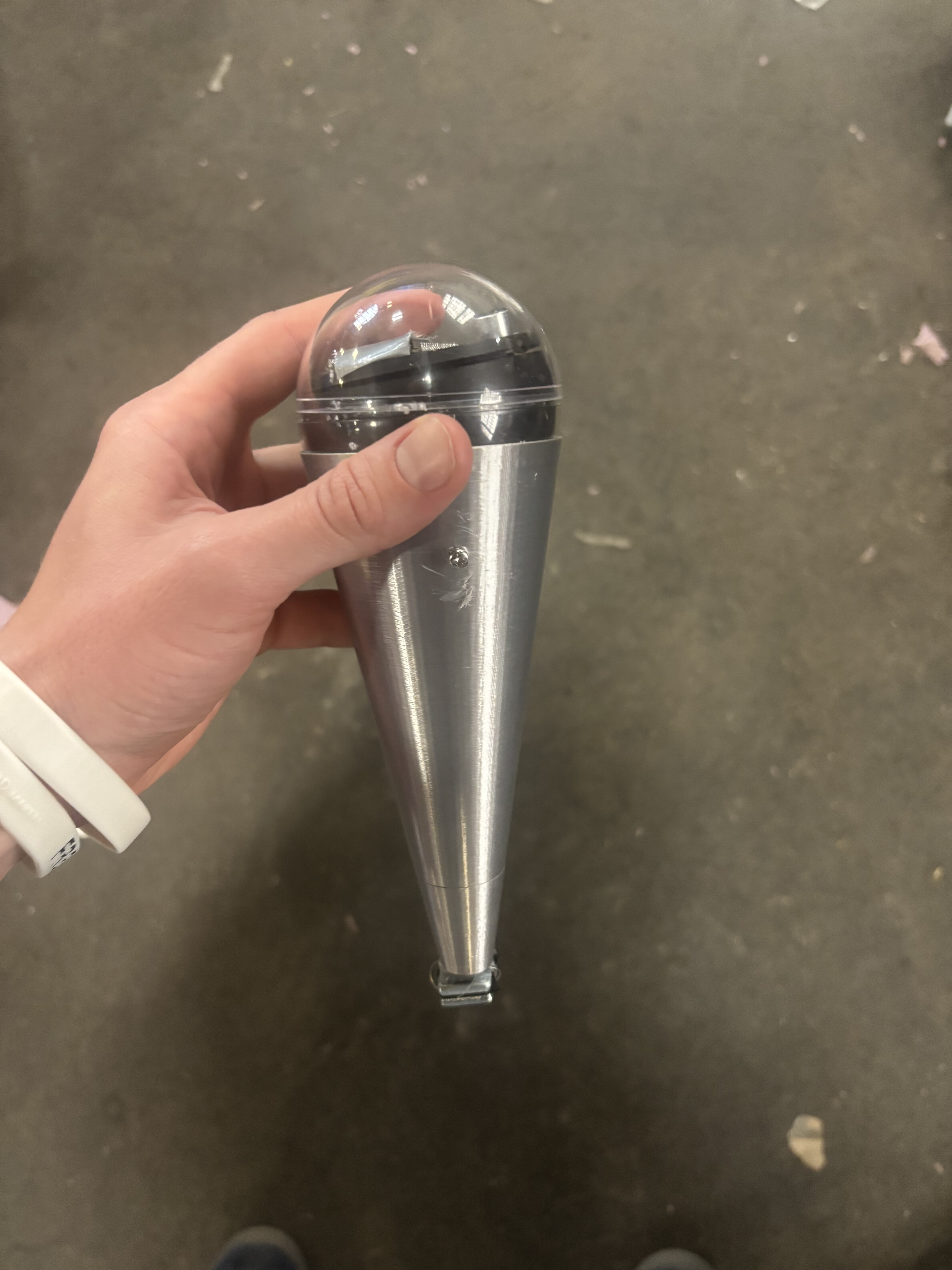
GPS does not work underwater, so every UUV, seabed platform, and sensor has to build navigation and C2 from first principles—often a six-figure transponder, or an INS that runs more than a hundred thousand dollars and drifts within an hour. When nav is priced like that, the math does not close for attritability. Hessian is the shared layer meant to make it close: a deployable acoustic mesh of seabed nodes (hours in the water) that can deliver sub-meter PNT, low-rate C2 relay, and a client path on the order of a $200 module—often a software decode—so PNT is amortized across a fleet. Letter of intent, a government line in progress, and a start in the steel: a March 2026 Philadelphia maritime‑defense hackathon.
Skills
Acoustic PNT, mesh networking, hydrophones, undersea C2, software-defined decoders, triangulation, rapid prototyping, marine hardware, machining, defense technology
On the product side, navigation and protocol are the wedge, not the whole bet. The mesh is one backbone for many UUVs: the same PNT and low-rate C2 is infrastructure in the way GPS and protocol are for land, so the cost of precision time and a codebook is amortized across a fleet. Expensive UUVs that run INS can still use a Hessian decoder to trim drift; when it makes sense, a vehicle can surface updates to the mesh instead of breaking station to relay. That is the “GPS for the seafloor” job—if it exists, a manufacturer can take a UUV in front of a program office and credibly disaggregate the hardest part of undersea autonomy from the rest of the vehicle.
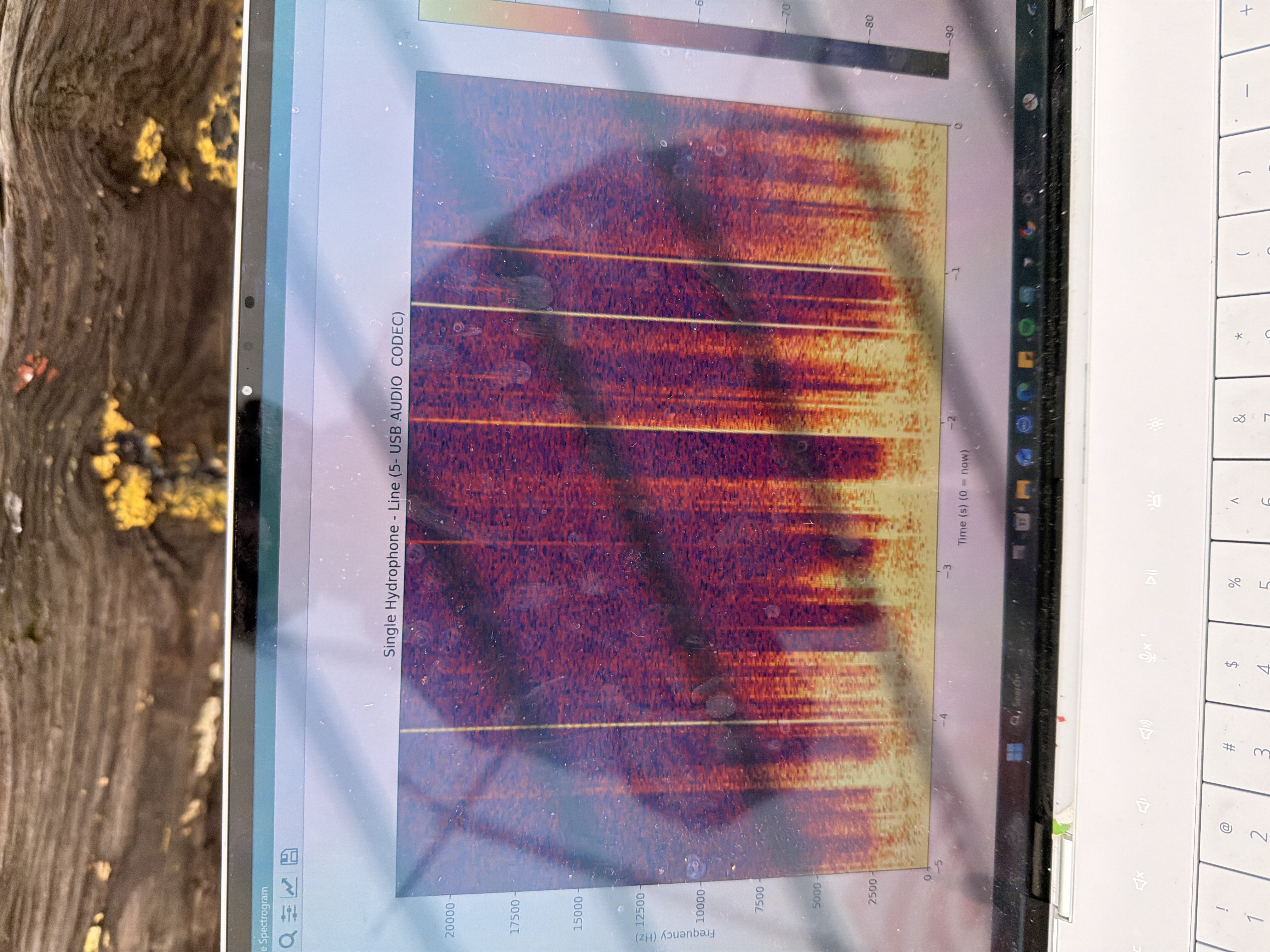
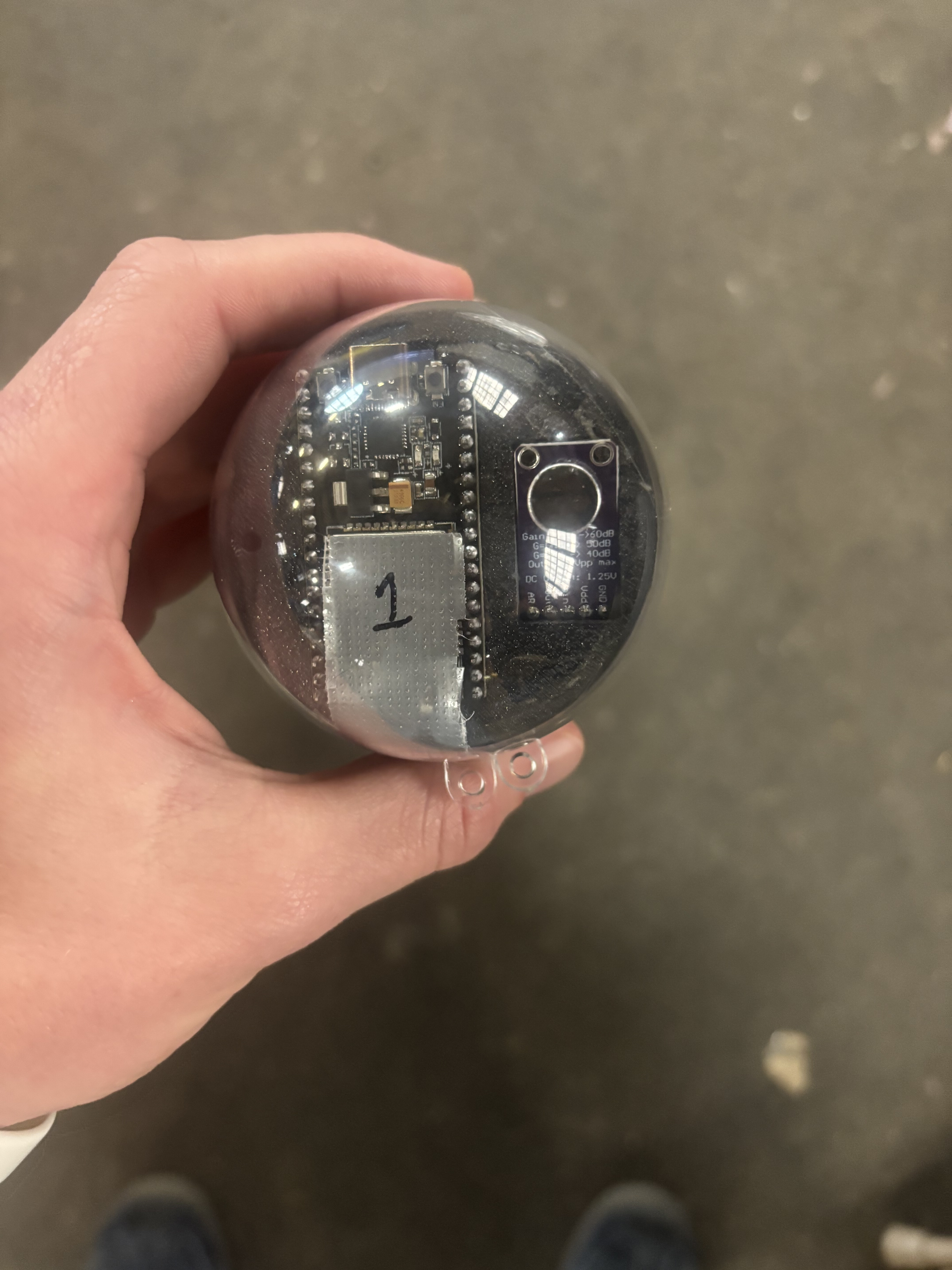
At the same time, every node is also a long-dwell ear. Each carries hydrophone listening, extracts compact acoustic fingerprints of vessels in its patch, and routes that intelligence up the mesh in near real time. The library and analytics compound: new vessel classes and geography make every prior deployment more useful. That is a separate high-margin, recurring data and analytics layer—fingerprint and detection products that the Navy, allies, and integrators can pay for—because the only way to get the same feed is to be attached to the seabed infrastructure that generated it.
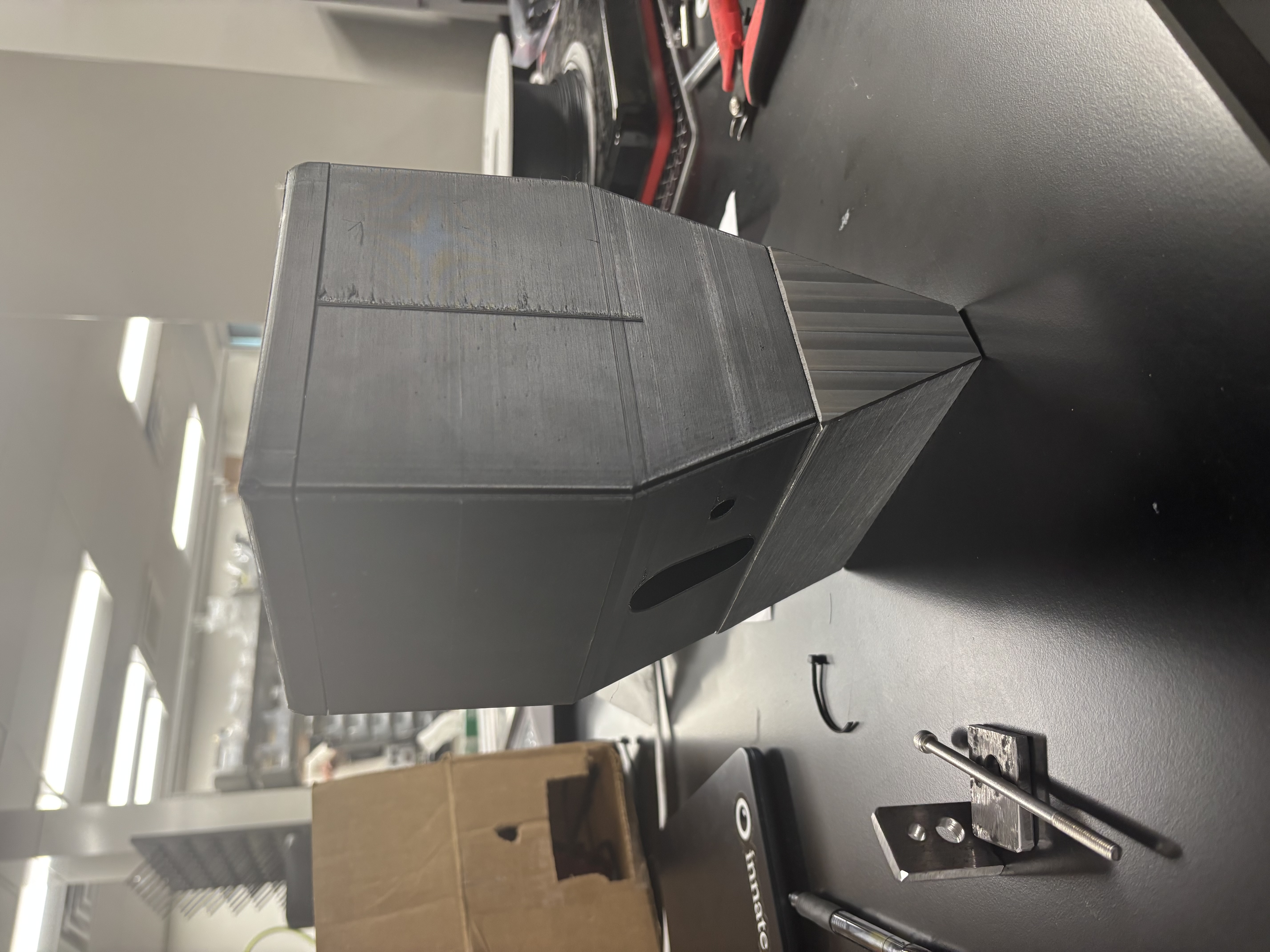
The physical nodes are optimized for a single profile: on the order of 200 meters depth, months of endurance, and contested water where the goal is a cost and density trade where attacking the field is more expensive than proliferating and replacing it.