Seawatch
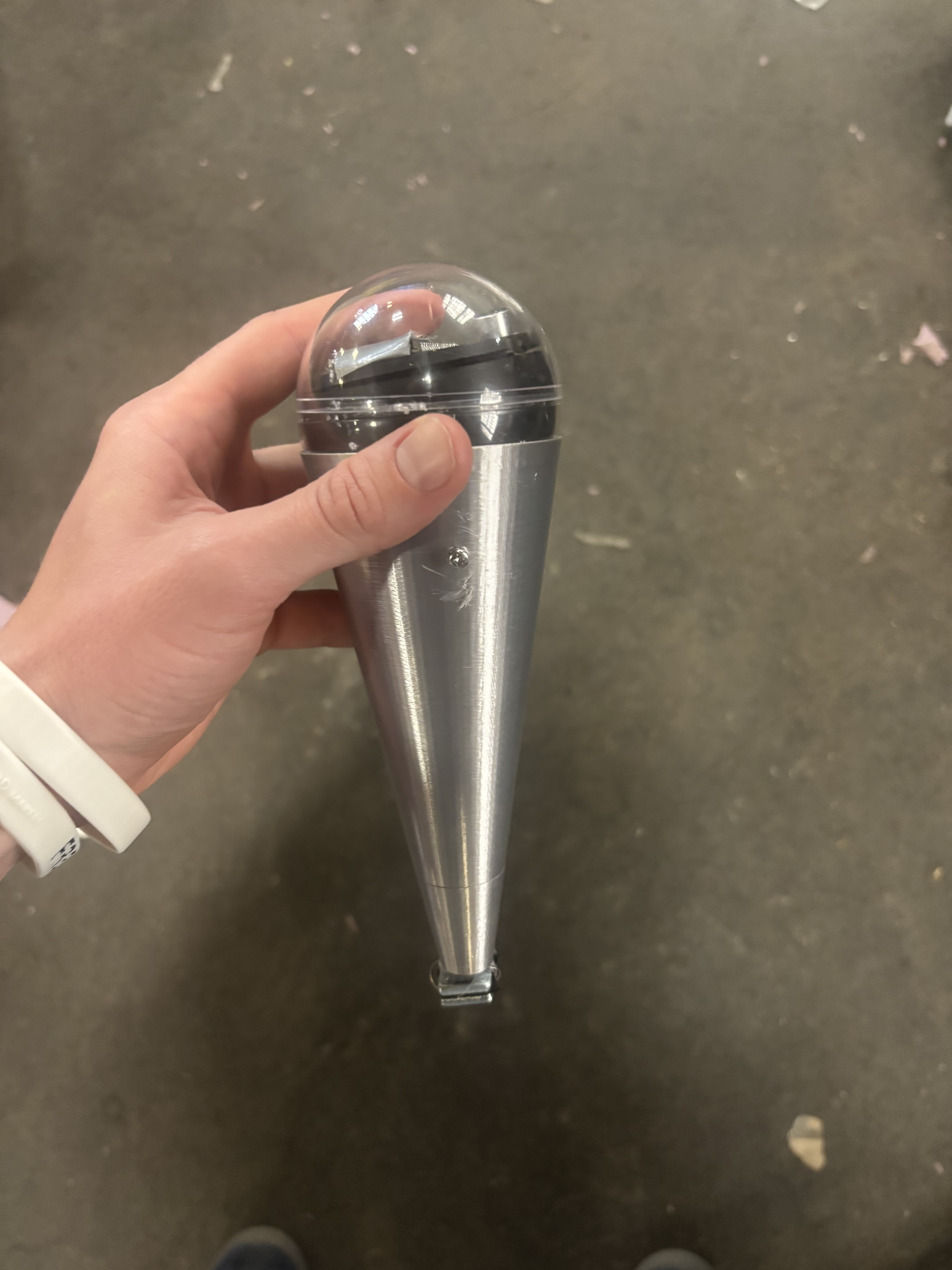
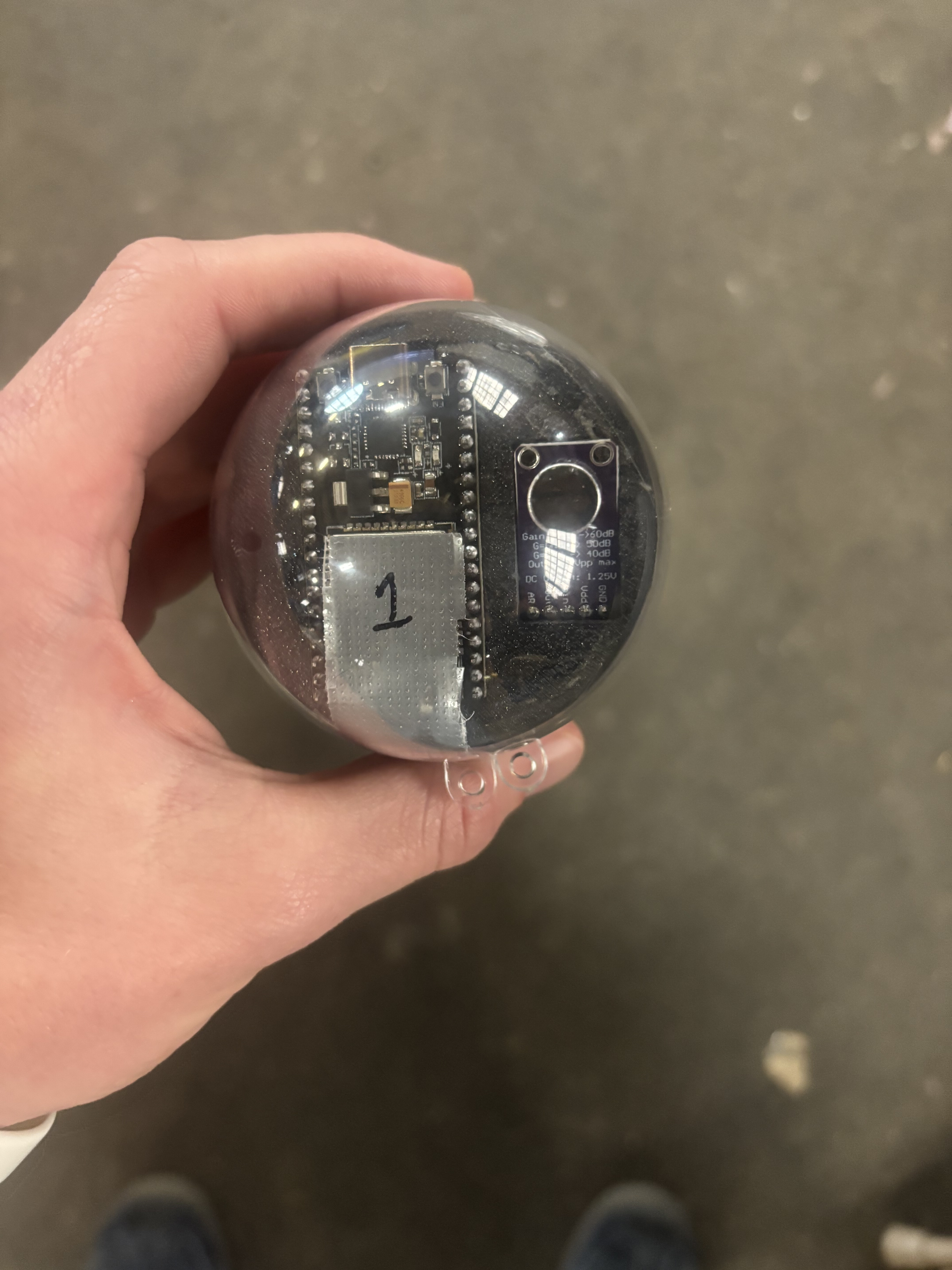
A mesh of inexpensive, quick-to-field buoys that listen above and below the waterline, then work together to place boats, torpedoes, and unmanned platforms in space. Offered letter of intent to buy, and applied to government contract with tech.
Skills
Acoustic sensing, mesh networking, marine electronics, hydrophones, triangulation, rapid prototyping, machining, defense technology, hardware design
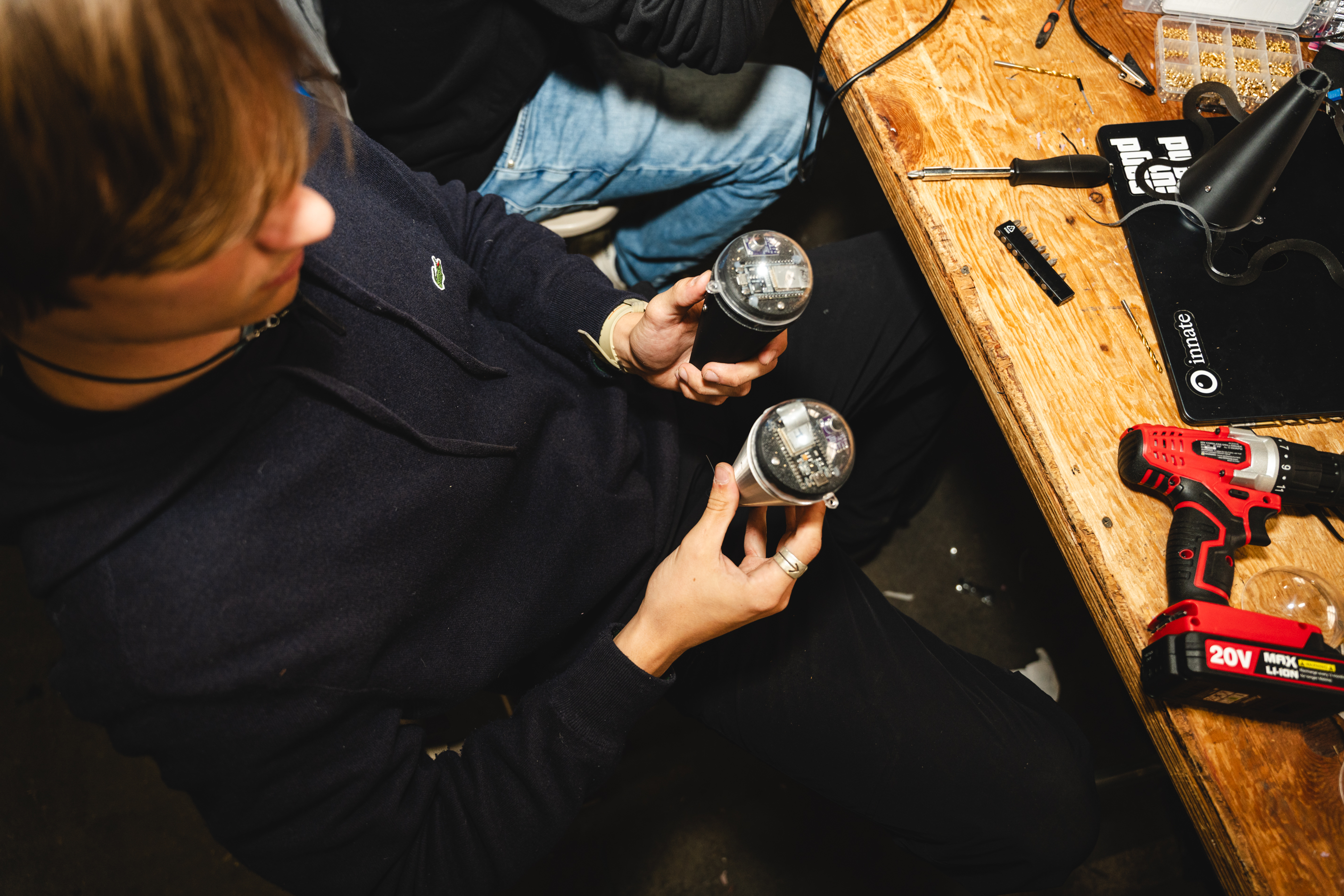
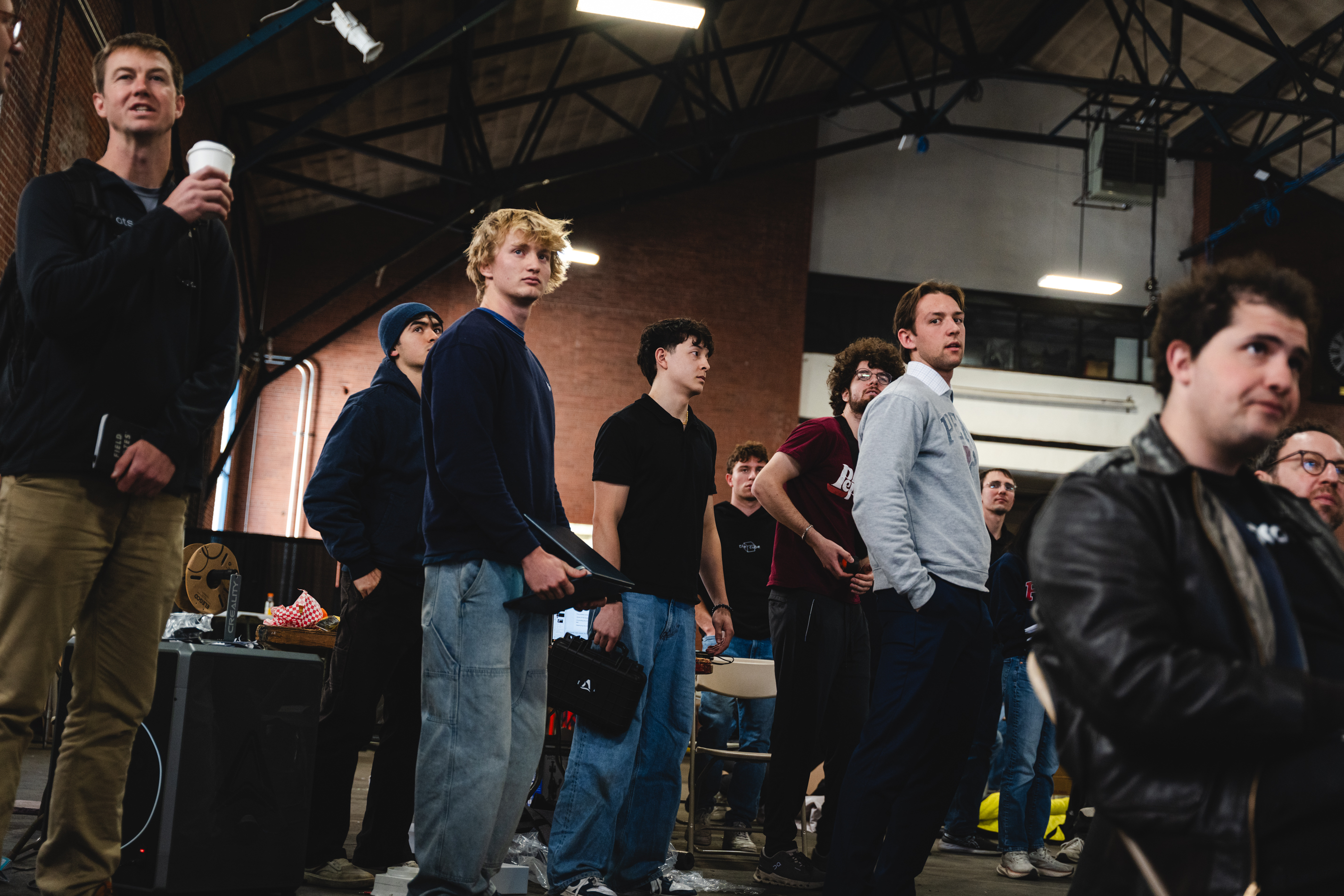
What started as one weekend in Philadelphia grew out of a maritime-defense hackathon backed by Albacore, with guests and supporters spanning U.S. and Ukrainian defense communities, Ukrainian investors, Senator Marco Schönert, and the city’s mayor. Our squad—Seawatch, with Aiden Suganuma, Jonah Stein, Ryan Petrauskas, and me—left with the Shipyard Infrastructure award, one of three top tracks at the event.
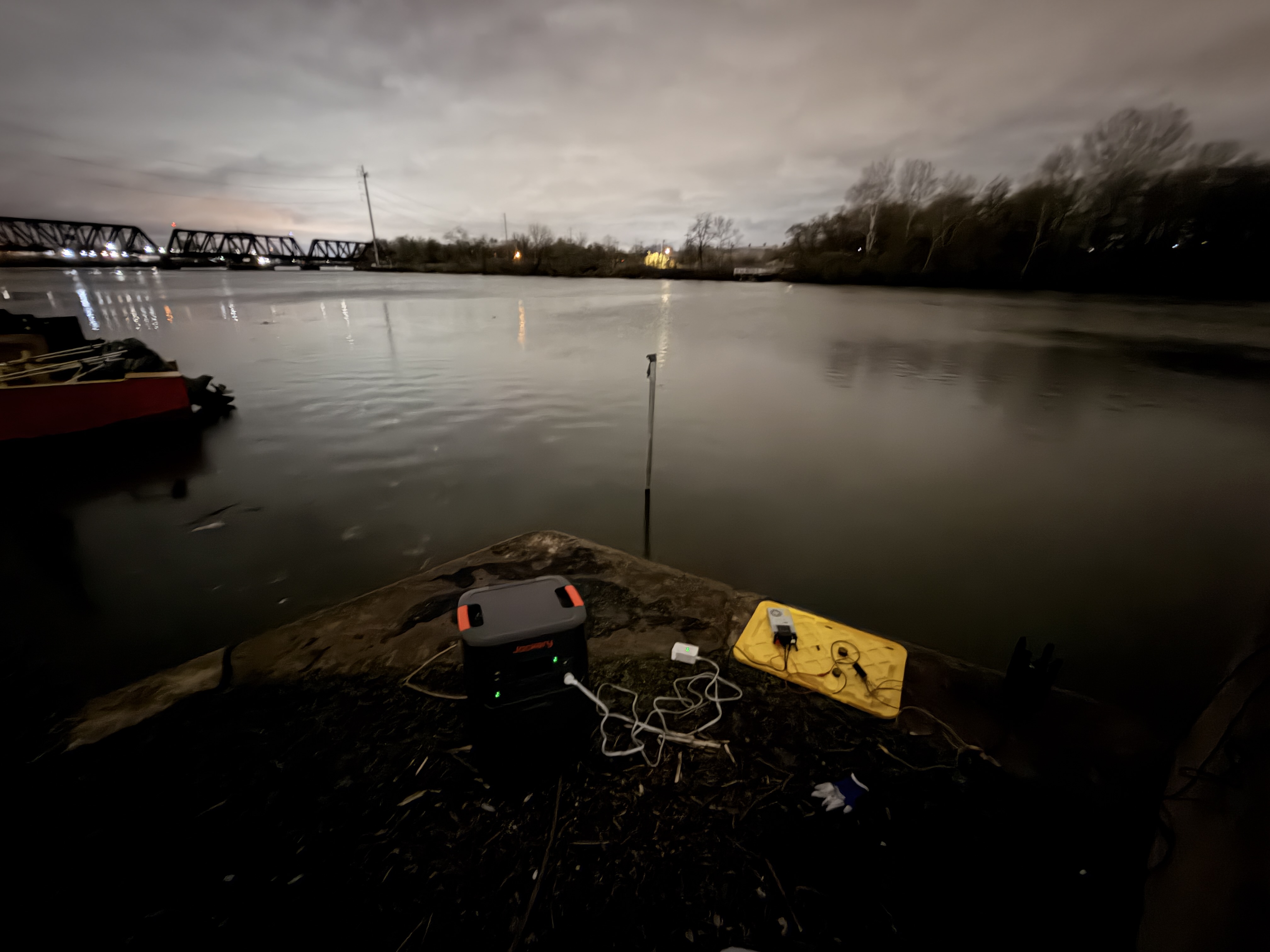
Today’s harbor and coastal sensing stacks tend to be costly, slow to install, and painful to expand. We chased the opposite: small, interchangeable nodes that talk to each other, drop in fast, and blanket a waterway so contacts can be correlated and localized instead of guessed at.
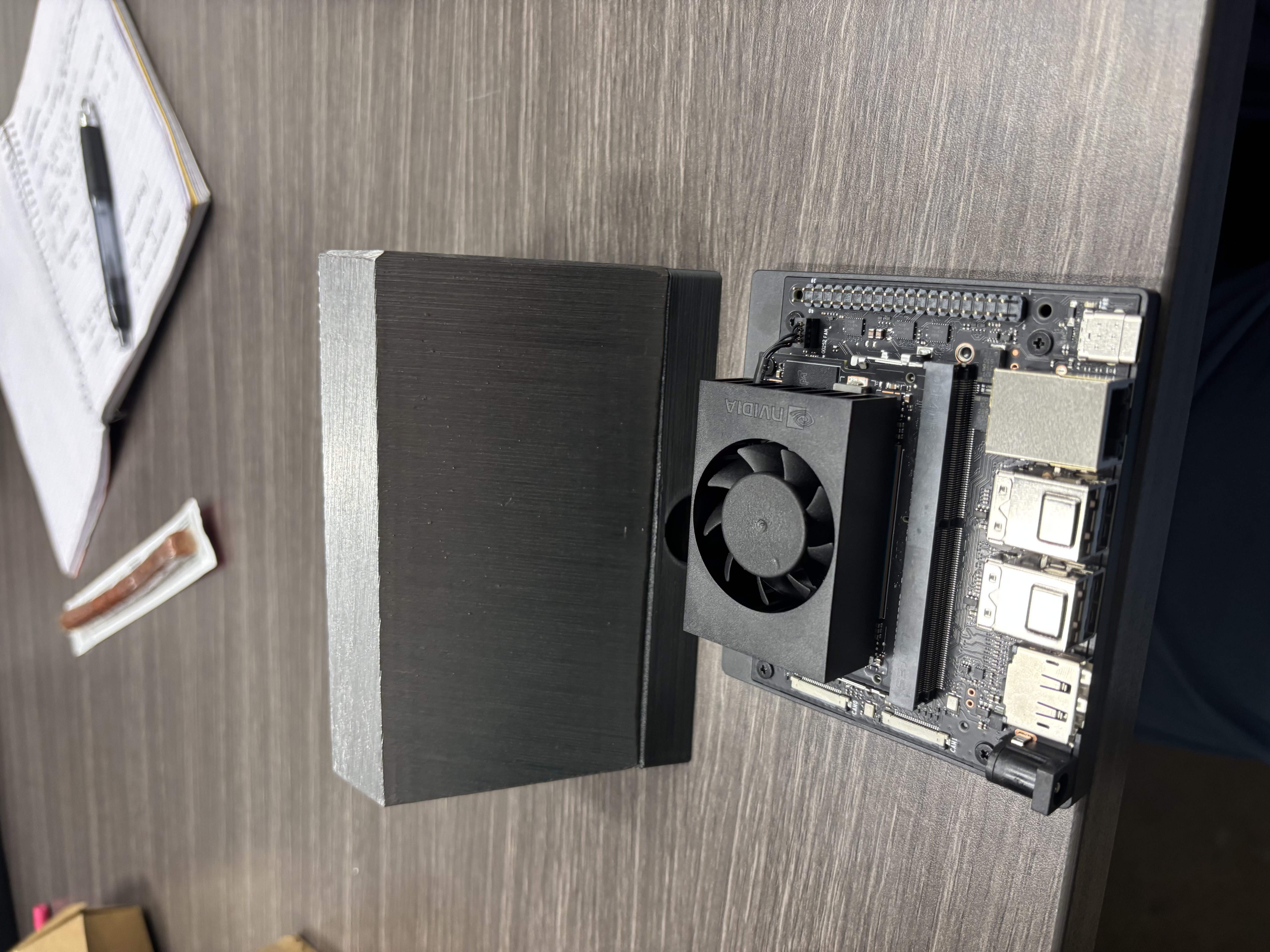
The first rev was deliberately scrappy—microphones as the front end because that was what forty-eight hours allowed. Judges and the Albacore crew responded strongly enough to invite us to stay through the week, refine the concept, and jointly submit for a federal solicitation due that Friday—a fantastic opportunity to build out our intellectual property.
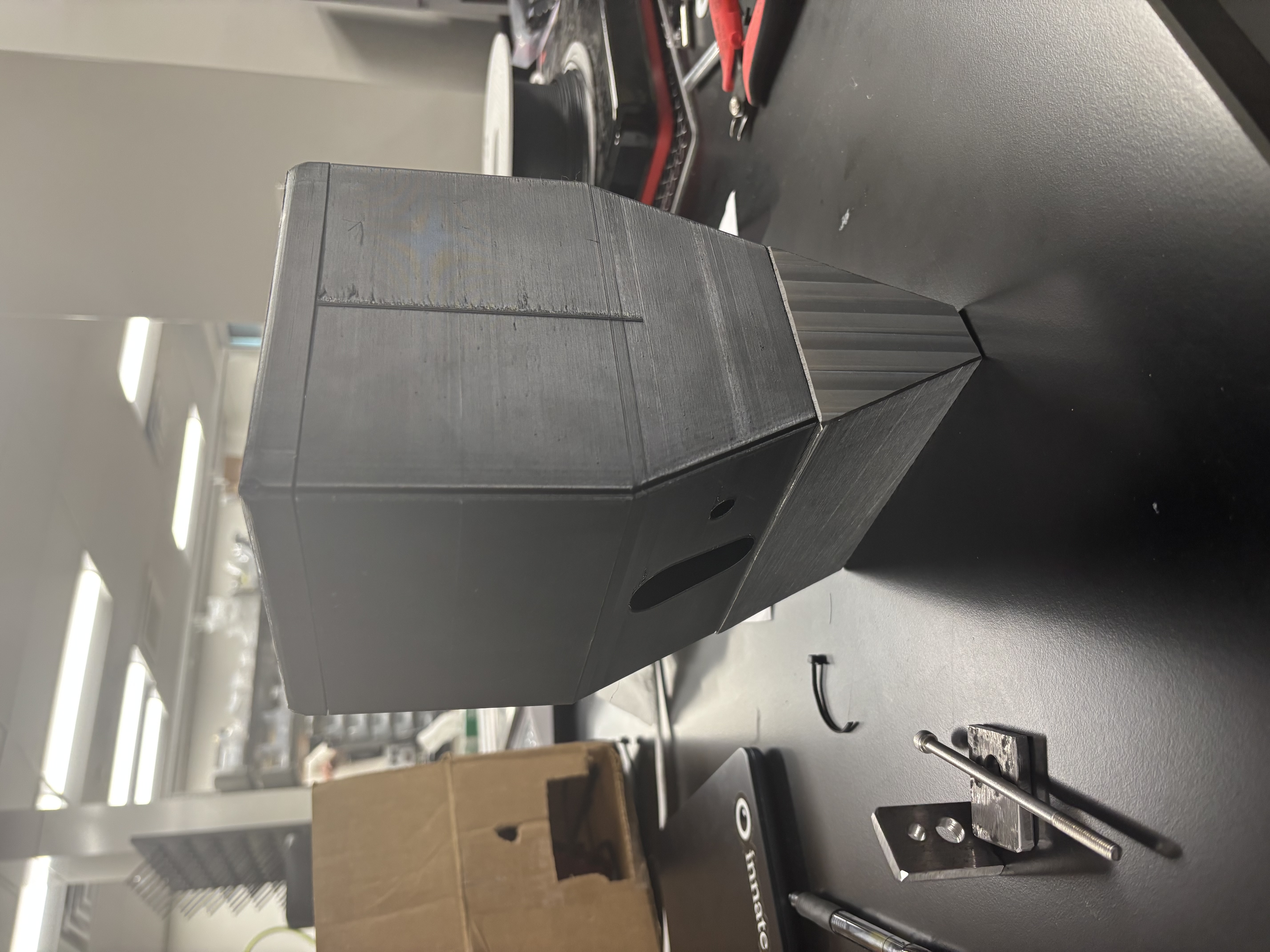
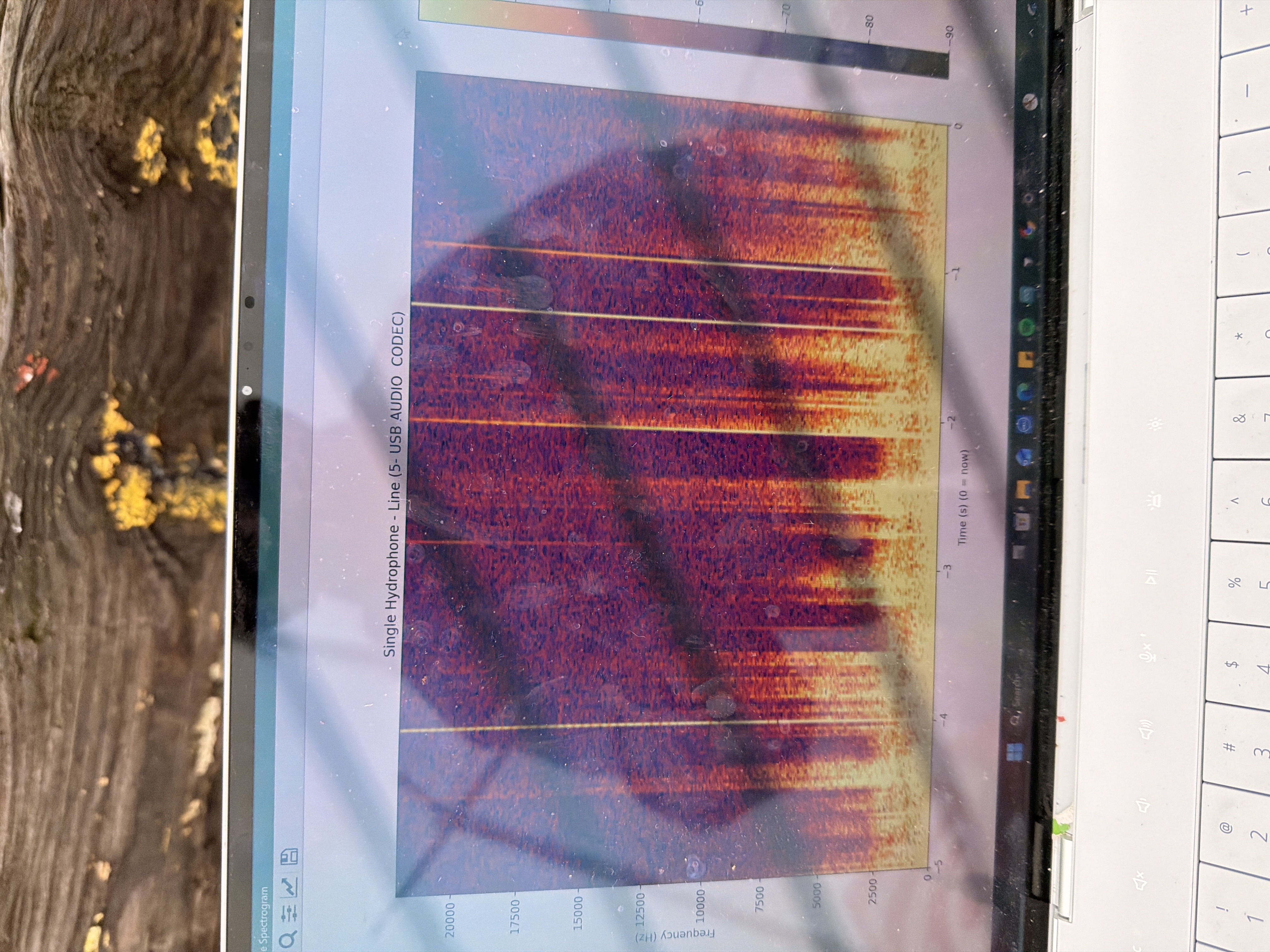
I slipped away at the start of the week to Duke’s shop and machined an eight-pound steel anchor for the V2 hull so the rig would stay put in current; everyone else kept iterating in Philly. I flew back Wednesday for the finish line. Roughly twenty thousand dollars in hardware buys later, the second prototype wasn’t just bigger—it traded the mic stack for dedicated hydrophones, which is where underwater discrimination actually begins.
It is rare to compress real operational stakes, absurdly tight timelines, and unexpected doors into the same seven days; that week checked every box.
.JPG)
.JPG)